Teens Sleep Less Than Ever
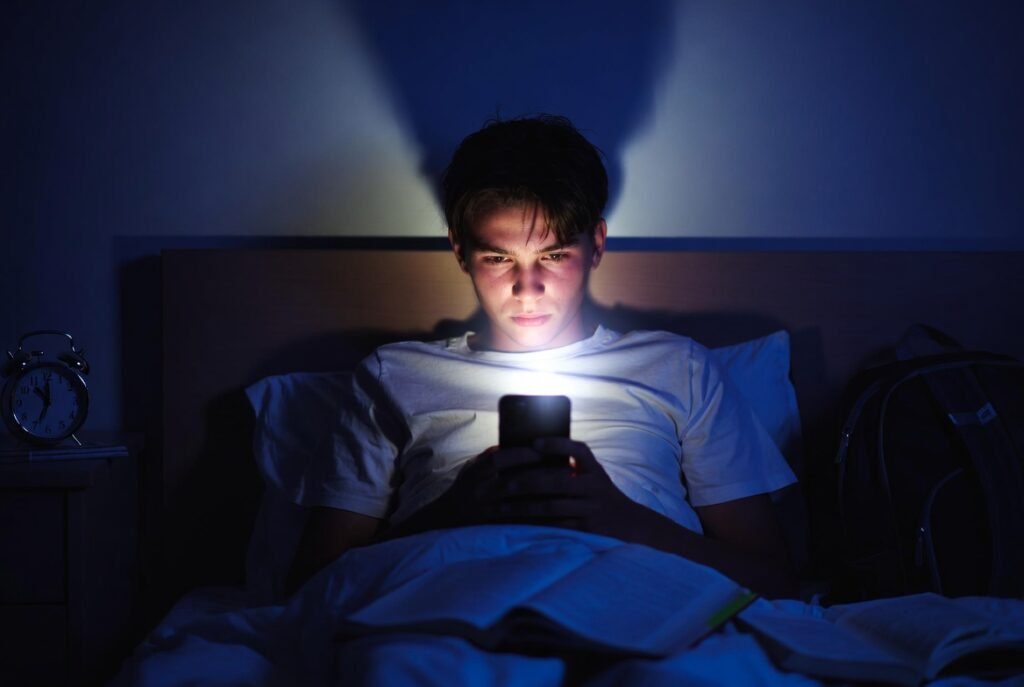
Researchers analyzed data from the Monitoring the Future survey, encompassing than 400, students in grades 8, 10, and 12, spanning 1991 through 2023. In the recent years (2021–2023), results reached their nadir: only 22% of older teens (ages 18–19) achieved seven or hours of sleep per night. By contrast, experts recommend eight to ten hours of sleep for teens.
The Drop Hits Every Age Group
The sleep decline persisted for decades now affects every teen age group. Even younger adolescents, ages 12–13, experience substantially less rest than in past.
Gaps in have widened as well. For instance, in the early 199s and White teens displayed similar sleep patterns; by 2023, Black teens were considerably less likely to obtain sufficient sleep. Differences linked to family income and parental further the issue, adequate sleep harder to attain for some.
related study in JAMA these findings, reviewing data from 2007 to 2023 The share of high school students with insufficient sleep rose from 69 to nearly 77%, while the proportion of “very short sleepers” (five hours or less) from 16% to 23 This extreme sleep shortage affects many teens including those without other risk.
Everyday Causes Adding Up
factors contribute to sleep shortage. Heavy homework loads and early school start times shorten nighttime rest. Part-time adds to overall stress and time pressure. However, screens and smartphones play a pivotal role. Late-night scrolling and bright displays suppressatonin a hormone that promotes sleep, pushing bedtimes later. A natural shift in the teen circadian also them sleepy later which clashes with school, sports, and social obligations The COVID-19 period have intensified these habits, but the decline began well before the pandemic.
Lead researcher Rachel Widome summarized the pattern:’s teens obtain sleep than any prior generation, and the downward trend has persisted for more than three decades.
Serious Health and Life Consequences
Insufficient sleep affects more daytime fatigue. imp concentration and memory, leading to lower school performance. Over, sleep deprivation elevates for weight gain, diabetes, and cardiovascular issues, while the immune system may weaken. health also suffers, with higher rates anxiety, depression, and in some cases, thoughts of self-harm For drivers, fatigue-related crashes pose significant safety concerns. warn the societal costs include reduced job readiness and greater healthcare needs in the future.
What Be Done
avenues show promise for reversing the trend. Some school districts have implemented later start times, yielding improved, better grades, and enhanced well-being among students. California has enacted policies later starts. Home practices also: establish regular bedtimes limit evening screen exposure, and create calm wind-down routines. Schools and healthcare professionals can emphasize sleep education, while public campaigns may awareness about the importance of sleep. Health leaders in 202 advocate treating teen sleep as central health issue, recognizing that changes today can the health, learning, and success an entire generation.