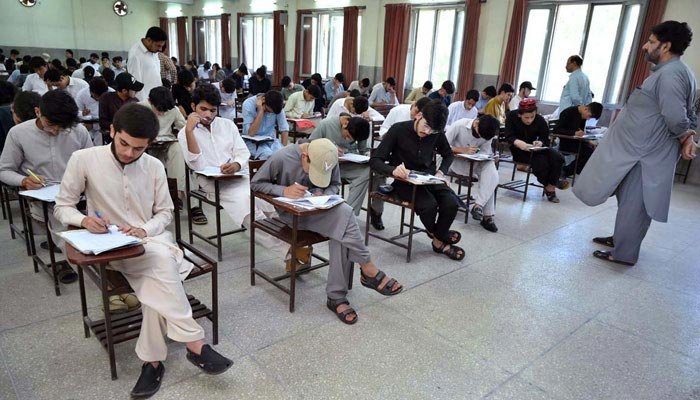
UNESCO General Conference — delegates gathered in Paris UNESCO / CC BY-SA

UNESCO: 272 Million Children and Youth Still Out of School as Inequality Deepens Between Richest and Poorest Nations

A landmark UNESCO report released on International Day of Education, 23 January 2026, finds that while global enrollment has improved, stark disparities persist: in the poorest countries, 36 per cent of school-age children remain out of education compared to just 3 per cent in the wealthiest nations. The UNESCO 2026 Global Education Monitoring Youth Report, "Lead with Youth," also reveals that only one in three governments is required by law or policy to engage young people in shaping education — and that when consultation does occur, students regularly perceive their contributions as meaningless.

Latest Dispatches

Economics / Labour Rights

Human Rights Watch: Gig Workers in Nine Countries Face Low Pay, Unsafe Conditions, and No Legal Protection

The HRW report "Algorithms of Exploitation," released May 2026, documents platform workers in India, Kenya, the UK, Lebanon, Pakistan, and the UAE facing sudden account deactivation, unpredictable pay, no social insurance, and algorithmic control with no formal recourse.

Health / Well-being

OECD 2026: Youth Mental Health Has Worsened in Most Member Countries — Social Media, Climate Anxiety, and Inequality Are Key Drivers

A new OECD report draws on national data across member states to document a long-running decline in youth mental health that intensified during and after the pandemic. Experts unanimously call for comprehensive, multi-sector responses including early prevention and digital policy reform.

Education / Policy

Only One in Three Governments Required by Law to Engage Youth in Education Policy — UNESCO GEM Report

The 2026 UNESCO Global Education Monitoring Youth Report, launched in Paris on 23 January, finds that formal youth consultation is rare and often ineffective. The report calls for governments to legally mandate student participation in education decision-making ahead of the 2030 SDG deadline.

Health / UN Policy

UN DESA World Youth Report: Poverty, Technology, and Conflict Are Shaping Youth Mental Health — Preventive Policies Needed

Launched in February 2026 at the Commission for Social Development, the UN DESA World Youth Report on Youth Mental Health examines six social determinants — education, employment, family, poverty, technology, and societal attitudes — and calls for structural policy responses, not only clinical ones.

Economics / Labour

India Gig Workers Strike on New Year's Eve: Tens of Thousands Halt Deliveries Over Pay, Safety, and Algorithm Control

In the first nationwide collective action of its kind, Indian gig workers halted food and goods deliveries on New Year's Eve 2025, demanding dignity, regulation, and accountability from platforms that classify them as independent contractors to avoid providing minimum wages or benefits.

Geopolitics / Rights

UNICEF UNV Youth on the Move Programme 2026 Opens 12-Month Paid UN Placements for Displaced Youth

UNICEF and the UN Volunteers programme have opened applications for displaced and refugee young people aged 20–32 to join UNICEF operations worldwide. The programme follows a pilot that engaged 23 youth from displacement backgrounds between 2022 and 2024, and builds on the 2024–2025 cohort in Cambodia, DRC, Kenya, and four other countries.

In Depth

Digital Labour / ILO

Digital Workers, Analogue Laws: Why Global Labour Policy Has Not Kept Pace with the Platform Economy

Policy frameworks have not kept pace with the transformation in how work is structured. Traditional labour law distinguishes between employees and contractors in ways that do not reflect the realities of platform-based work — and workers classified as contractors bear the full costs of termination, delayed payment, and injury without institutional support. The ILO is expected to finalise a convention on decent work in the platform economy by end of 2026, which would establish broad labour rights for all platform workers regardless of their legal classification. EU member states have until December 2026 to implement the Platform Work Directive, which classifies platform workers as employees by default and outlaws automated firing. Meanwhile, India's draft Social Security Code proposes that gig workers must engage with a platform for at least 90 days to qualify for state benefits — a threshold critics say is set to exclude the majority of workers.

Secure Submission

Confidential Reporting Portal

YNC operates an encrypted submission channel for whistleblowers, researchers, and institutional sources. Your identity and documents are protected under our editorial privacy framework. No files are permanently stored on public web servers.

  • End-to-end encrypted submission pathway
  • Anonymous tip submission — no IP logging retained
  • Secure document upload not stored on public servers
  • Dedicated editor review within 48 hours
  • Full compliance with SPJ Code of Ethics
Access Full Secure Portal
Submit an Anonymous Tip

By submitting you confirm no third parties are placed at risk. YNC follows the Society of Professional Journalists Code of Ethics.